Common Mistakes to Avoid in Pallet Liquidation: An Essential Guide for Beginners
Within the realm of pallet liquidation, new entrants often come across several obstacles that can obstruct their success. Many beginners fail to consider essential elements such as pallet quality assessment and market research. Additionally, they may underestimate unexpected expenses and the value of building connections. Each of these errors can considerably influence profitability. Understanding these common mistakes is vital for anyone looking to navigate this challenging landscape effectively. What methods can help secure a more profitable beginning in pallet liquidation?
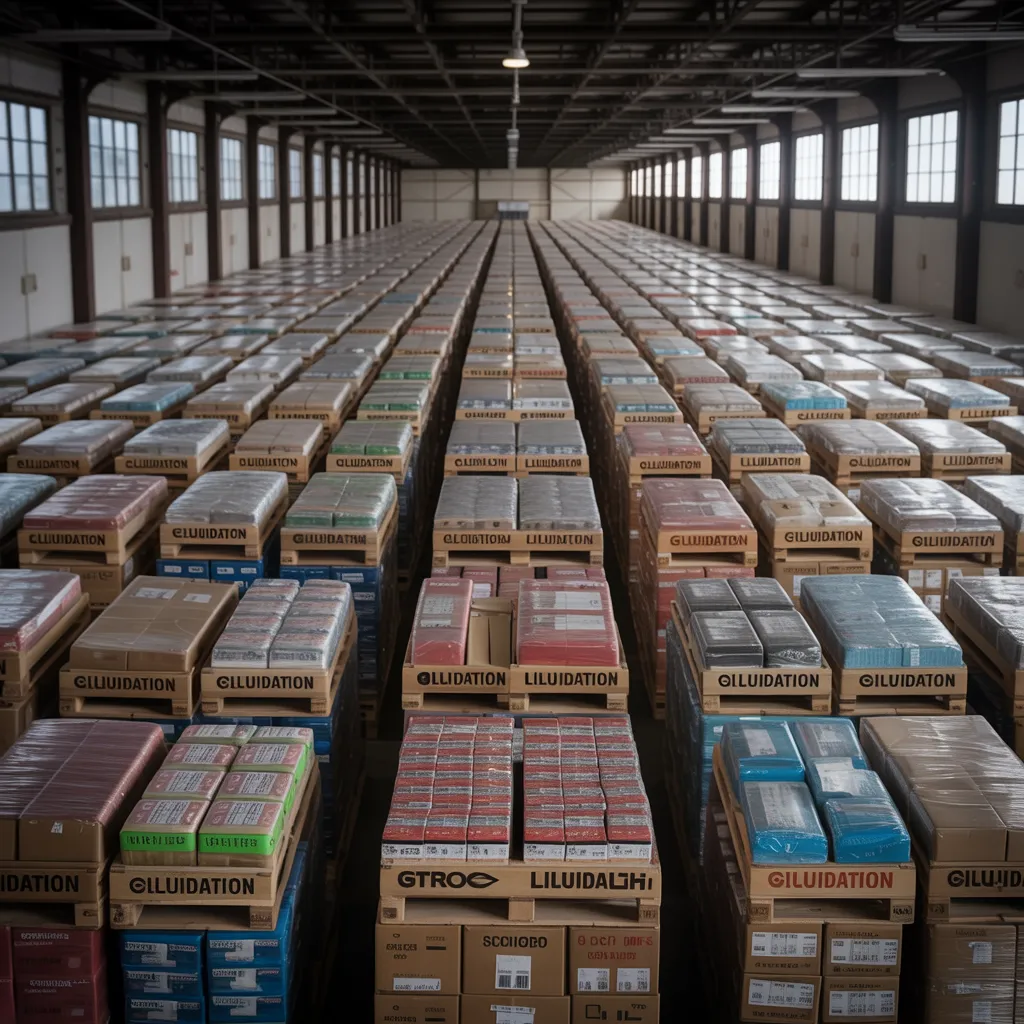
Prevent Misjudging Pallet Quality in Liquidation
In the field of pallet liquidation, quality evaluation is paramount. Beginners often misjudge the condition of pallets, which can result in considerable financial losses. Understanding the distinction between salvageable and non-salvageable goods is vital. Numerous people are inclined to ignore minor visible damages, under the impression that small signs of wear do not diminish overall value. Yet, underlying imperfections can generate extra costs throughout the resale or disposal process.
Additionally, depending only on visual inspections may be deceptive. It is advisable to carefully study product descriptions and, where feasible, examine pallets directly. This approach aids in detecting underlying problems that are not always visible. In addition, understanding market demand for specific items helps set realistic return expectations. Through conducting a rigorous appraisal of pallet integrity, liquidators can avoid costly mistakes and increase overall success in their endeavors. Understanding the significance of careful quality inspection represents an essential foundation for achieving success in pallet liquidation.
Familiarize Yourself with Local Regulations
When navigating the challenges of pallet liquidation, grasping local regulations is essential for achieving success. Adhering to local laws can significantly influence the profitability and sustainability of a liquidation business. Each region may have specific rules regarding the resale of goods, including safety standards and labeling requirements. Failing to follow these regulations can result in penalties or legal action, threatening the viability of the entire operation.
Moreover, zoning ordinances may affect where liquidation businesses are allowed to operate. An in-depth understanding of local regulations will assist in avoiding significant missteps, such as opening a warehouse in a forbidden location. Additionally, some states require tax payments on particular types of products or necessitate licenses for sales occasions. For this reason, conducting thorough research into local regulations is a vital step for individuals venturing into the pallet liquidation business. Complying with these rules ensures more seamless operations and supports sustained success in the industry.
Carry Out Market Research for Pallet Liquidation
Conducting thorough market research is vital for effective pallet liquidation. This includes studying local demand patterns, reviewing competitor offerings, and examining pricing strategies to ensure a competitive advantage. By understanding these factors, companies can make well-informed decisions that strengthen their liquidation efforts.
Evaluate Local Demand Trends
How does a thorough understanding of local demand trends profoundly affect pallet liquidation success? Studying these trends permits liquidators to synchronize their inventory with community needs, securing improved sales potential. Local demand can vary markedly based on factors such as seasonality, economic conditions, and demographic shifts. By performing detailed market research, liquidators can pinpoint which products are most demanded and refine their purchasing strategies appropriately. This knowledge not only reduces unsold inventory but also improves profitability. Additionally, being attuned to local preferences can help in crafting targeted marketing strategies, fostering stronger connections with potential buyers. At its core, a thorough awareness of local demand trends supplies pallet liquidators with the vital tools needed to make sound decisions and streamline their operations.
Examine Competitor Offerings
A thorough understanding of competing products and services can considerably strengthen a pallet liquidator's position in the market. By carrying out detailed market studies, liquidators can determine the types of pallets and products competitors are selling, as well as their sourcing strategies. This insight helps in uncovering gaps in the market that could be leveraged for better profitability. Additionally, assessing competitors' advantages and shortcomings allows liquidators to set their inventory apart, ensuring they address buyer expectations with greater success. Observing customer feedback on competitor products can yield important data on product standards and service requirements. Ultimately, studying rival product selections equips pallet liquidators with the information required to adjust their business tactics and strengthen their standing in a challenging marketplace.
Assess Pricing Strategies
Evaluating pricing approaches is crucial for pallet liquidators looking to boost their earnings. To develop effective pricing, sellers must conduct thorough market research, studying the consumer interest in specific goods and rival listings. Understanding regional price variations and cyclical patterns can reveal opportunities for ideal pricing structures. In addition, assessing acquisition costs with potential resale values assists in discovering lucrative pricing gaps. Resellers should also evaluate customer demographics; customizing pricing structures to distinct purchasing audiences can boost transaction volumes. Additionally, adopting flexible pricing strategies, such as savings for volume buying or promotional sales, can draw in a larger audience. In the end, a well-informed pricing strategy not only increases earnings but also positions the liquidator as a strong market competitor.
Spotting Hidden Costs in Pallet Liquidation
Within pallet liquidation, concealed expenses can significantly impact profitability. Unexpected shipping fees, auction platform charges, and losses from unsold inventory frequently go overlooked. Identifying these expenses is essential for a successful liquidation strategy.
Unexpected Shipping Fees
While investigating pallet liquidation choices, one key factor commonly ignored is the potential for unexpected shipping fees. A large number of newcomers concentrate on the cost of the inventory itself but fail to account for the extra costs connected to moving the pallets. Shipping fees can vary greatly based on the supplier's whereabouts, the size of the shipment, and the preferred freight provider. Moreover, a number of suppliers may add surcharges for shipping services or demand that buyers organize their own transportation, making the process more complex. To prevent unexpected setbacks, it is important to confirm freight conditions prior to completing a transaction. Being aware of these expenses can avoid significant financial overages, ensuring a more accurate financial assessment of the entire liquidation process.
Auction Platform Charges
Steering through the world of pallet liquidation often reveals a complex network of auction platform costs that can significantly impact profitability. Most first-time buyers ignore these concealed expenses, which can include listing fees, final value fees, and transaction processing fees. Each platform has its own fee structure, and understanding these can avoid unforeseen monetary setbacks. Furthermore, some auctions may charge buyer's premiums that increase the overall payment amount. It is critical for newcomers to carefully examine the terms of service and cost breakdowns before engaging with any platform. By being vigilant about these costs, buyers can more accurately evaluate their overall expenditure and possible profits, ultimately leading to better-informed buying choices.
Inventory Loss From Unsold Goods
Pinpointing unsold stock losses is essential for individuals participating in pallet liquidation. Items that remain unsold can generate costs that significantly affect profitability. First, there are storage fees, which grow over time as products remain unsold. Additionally, remaining inventory can cause discounts or clearance promotions, steadily cutting into expected returns. Beyond that, the danger of becoming obsolete or sustaining damage increases as time passes, resulting in greater financial exposure.
Additionally, organizations often overlook the hidden cost of capital locked in unsold inventory, which could have been allocated to other ventures. A complete analysis of unsold inventory helps operators to reach better decisions, cut down on losses, and enhance future acquisition strategies. Understanding these overlooked expenses is vital to supporting a profitable liquidation operation.
Develop Your Network
Establishing a robust professional network is critical for those venturing into pallet liquidation. Creating ties with professionals in the industry, suppliers, and other liquidators can considerably boost opportunities and insights. Connecting with local businesses, attending trade shows, and taking part in online forums can foster relationships that deliver important insights about finding pallets and staying current with market developments.
Moreover, establishing networks can create strategic partnerships, opening doors to group purchasing or shared expertise regarding proven selling strategies. Through networking with established liquidators, newcomers can receive mentorship, benefiting from counsel on avoiding common pitfalls.
Additionally, dedicated online communities and social media channels act as outstanding resources for expanding one's network. Regular interaction in these spaces can result in uncovering new suppliers and buyers. At the core, a strong network is not just a support system; it is an essential resource that can accelerate a beginner's progress in the pallet liquidation industry.
Advanced Sales Methods for Pallet Liquidation
Developing expertise in sales strategies essential guide for pallet reselling can considerably improve profitability. Understanding market demand is crucial; retailers should undertake in-depth analysis to identify which products are trending and appealing to consumers. Pricing approaches also serve a critical function; well-positioned pricing can attract buyers while ensuring a reasonable profit margin.
Leveraging online platforms for selling can broaden the pool of potential buyers, helping sellers to reach a broader market. Effective promotional strategies, such as creating compelling listings with high-quality images and comprehensive descriptions, can boost visibility and appeal.
Building relationships with repeat customers encourages trust and loyalty, which can result in steady sales. Additionally, presenting promotions or price reductions can spark enthusiasm and drive faster transactions, decreasing overstock levels. By following these methods, newcomers can manage the challenges of pallet liquidation and increase their overall gains.
Answers to Your Most Common Questions
What Is Pallet Liquidation, and How Does It Work?
Pallet liquidation involves acquiring surplus or returned products, frequently in large quantities, from retail or wholesale suppliers at a lower cost. Purchasers obtain pallets containing a variety of products, spanning from electronics to apparel, which they can then resell individually or in smaller batches. The process typically includes bidding at liquidation auctions or purchasing directly from liquidation companies. Thriving in this sector necessitates a solid grasp of market demand and efficient inventory management to increase financial returns.
How Do I Identify Reliable Liquidation Suppliers?
To identify reliable suppliers in the liquidation industry, one should start by browsing through online directories and community forums where experienced buyers share their insights. Going to trade shows and professional networking events can additionally offer meaningful connections. Verifying supplier credentials and reading reviews aids in building confidence. Furthermore, obtaining referrals from industry colleagues could direct you to trustworthy options. It is essential to evaluate pricing and conditions to secure a reasonable arrangement, thereby cultivating a satisfying buying experience.
What Types of Products Are Typically Found in Liquidation Pallets?
Liquidation pallets typically contain a wide variety of items, including electronics, clothing, home goods, furniture, and toys. These products frequently originate from overstock, returns, or discontinued lines, causing conditions that vary from pristine to damaged. Retailers may include brands from well-known companies, offering potential value for resellers. That said, the precise contents may vary considerably, making it essential for buyers to thoroughly research and inspect pallets before purchase in order to get the most from their investment.
How Do I Determine the Resale Value of Liquidation Items?
To evaluate the resale price of surplus inventory, it is advisable to look up comparable items on the internet to understand current pricing. Reviewing products on marketplaces like eBay or Amazon can give a clear picture of present market demand and price fluctuations. Additionally, factoring in the item's overall state, brand credibility, and any included accessories can affect the final price. Lastly, considering freight charges and local market rivalry helps establish a reasonable yet financially viable resale price.
What Are Common Pitfalls for Beginners in Pallet Liquidation?
Frequent mistakes that newcomers to pallet liquidation make involve failing to account for expenses like shipping and handling fees, which can greatly affect profitability. Many also fail to research the market value of items, resulting in misguided buying choices. Additionally, overlooking the importance of inventory management can result in unsold products. Inexperienced buyers might also skip thorough pallet inspections, putting their investment at risk by acquiring damaged or unsalable items. Ultimately, insufficient knowledge of local regulations can lead to compliance issues.
Comments on “Source Pallet Liquidation for Retail Resale”